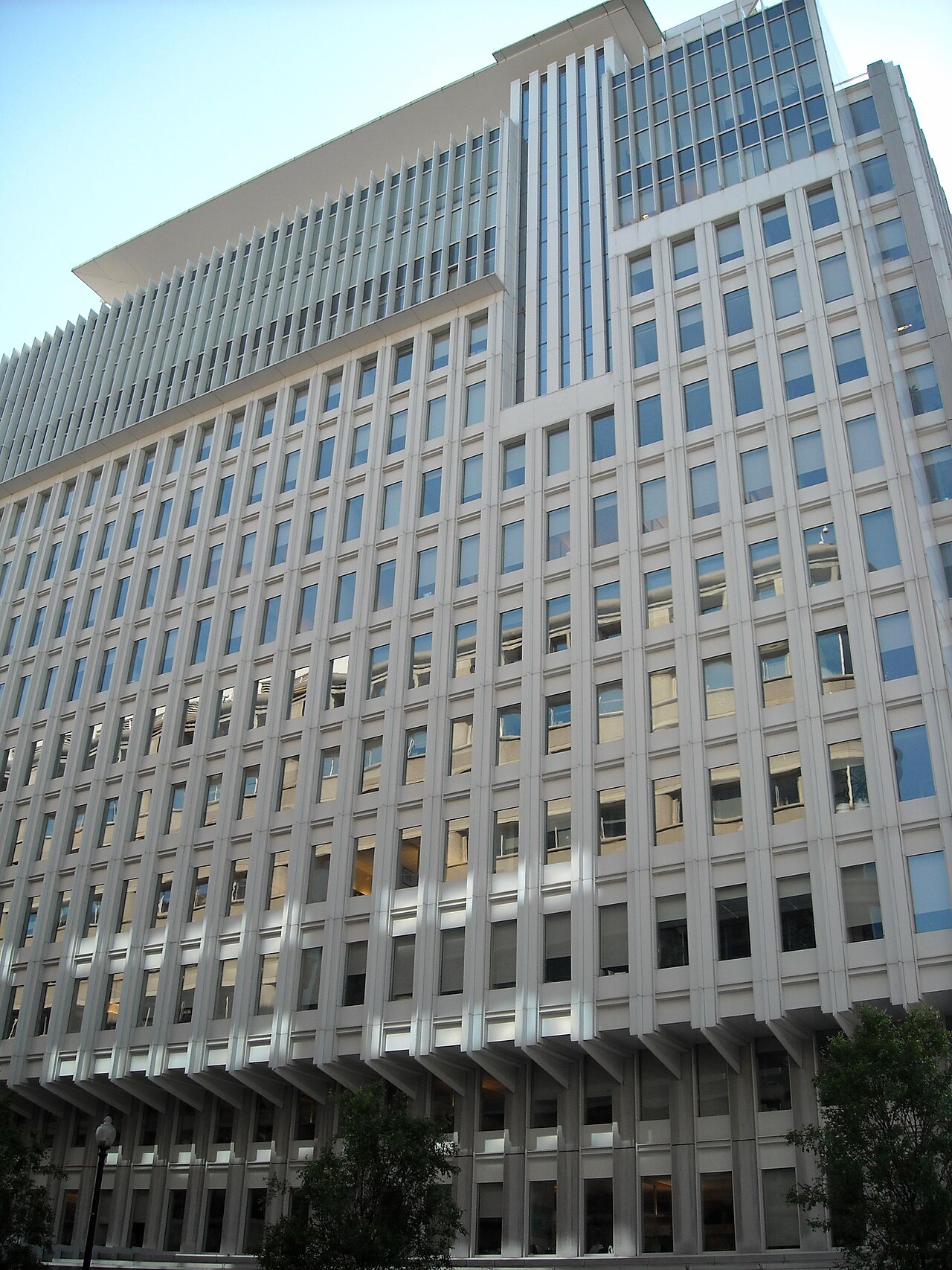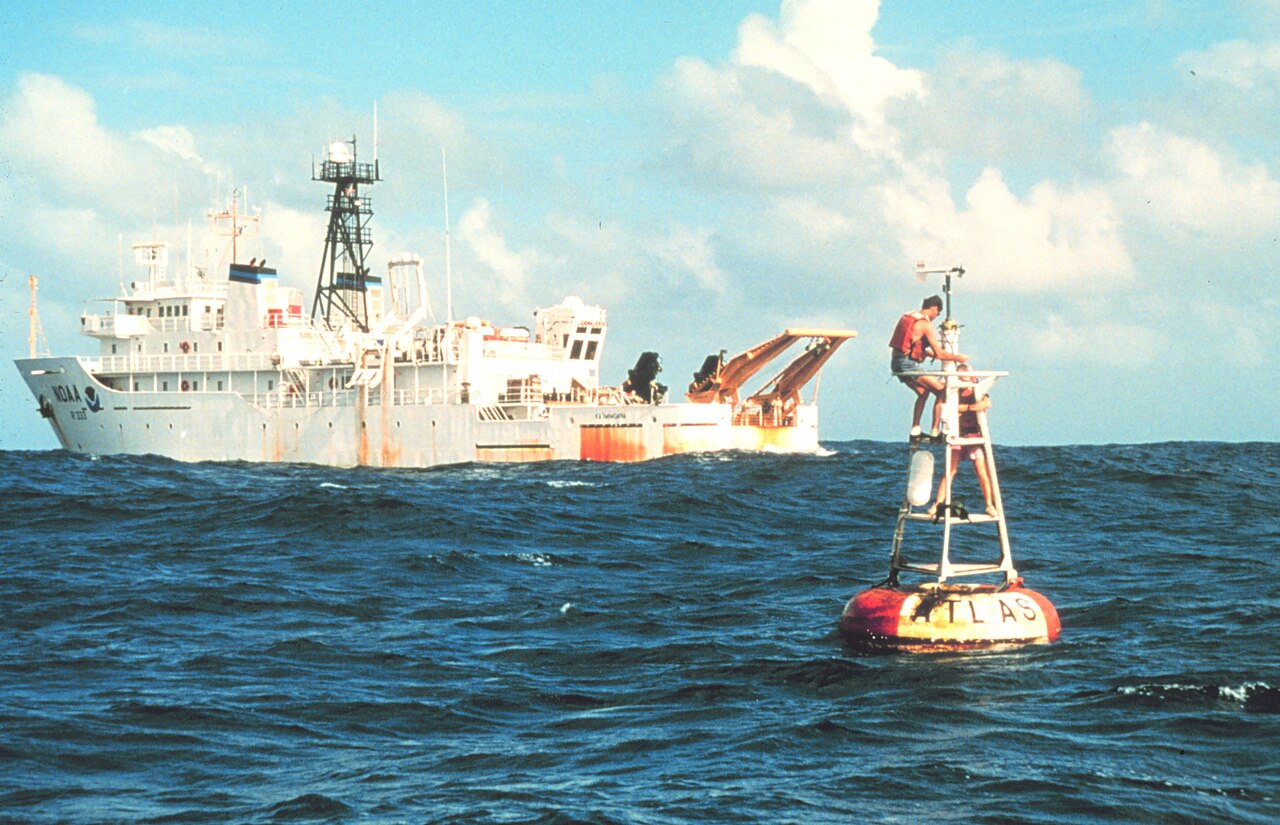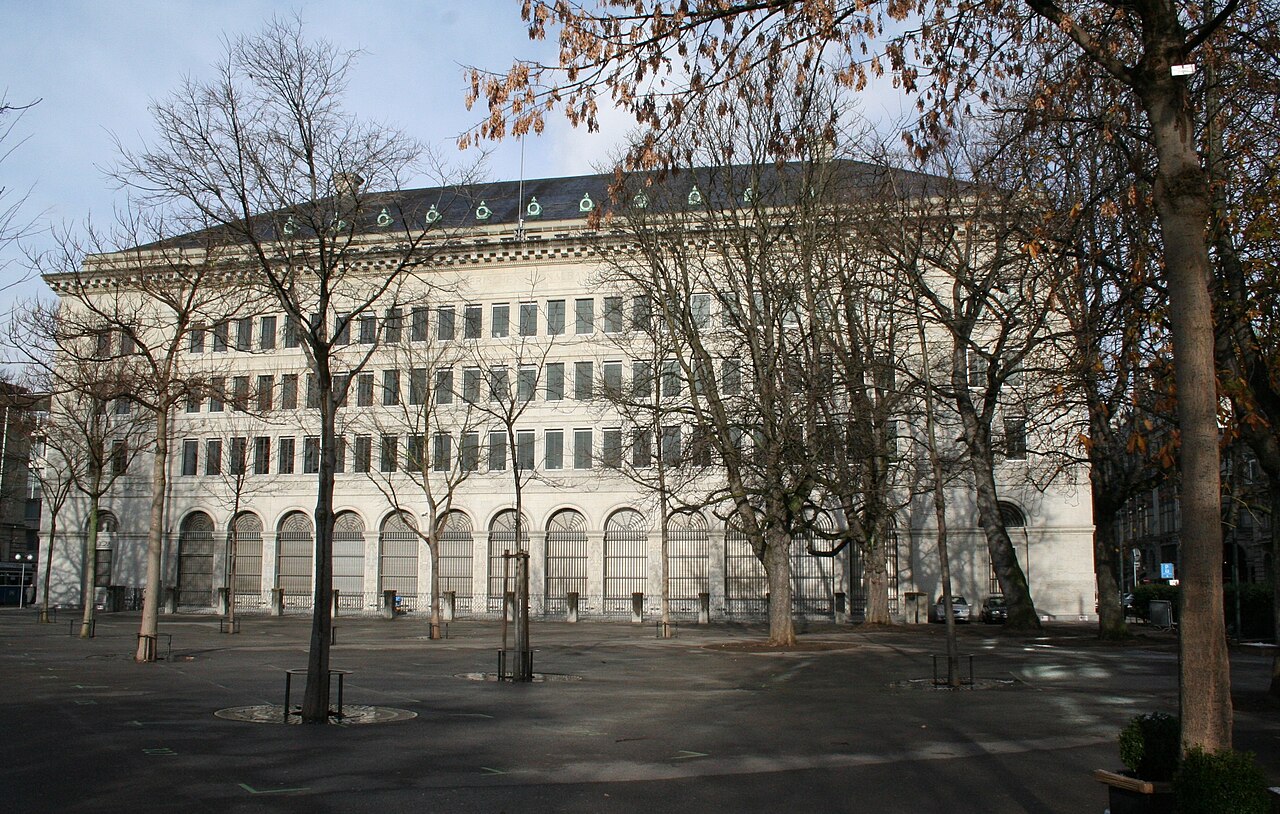
The global economy is growing. Why does it still feel fragile?
The IMF’s July outlook projects global growth of 3% in 2026. Its forecast describes an uneven environment shaped by energy disruption and technological investment.
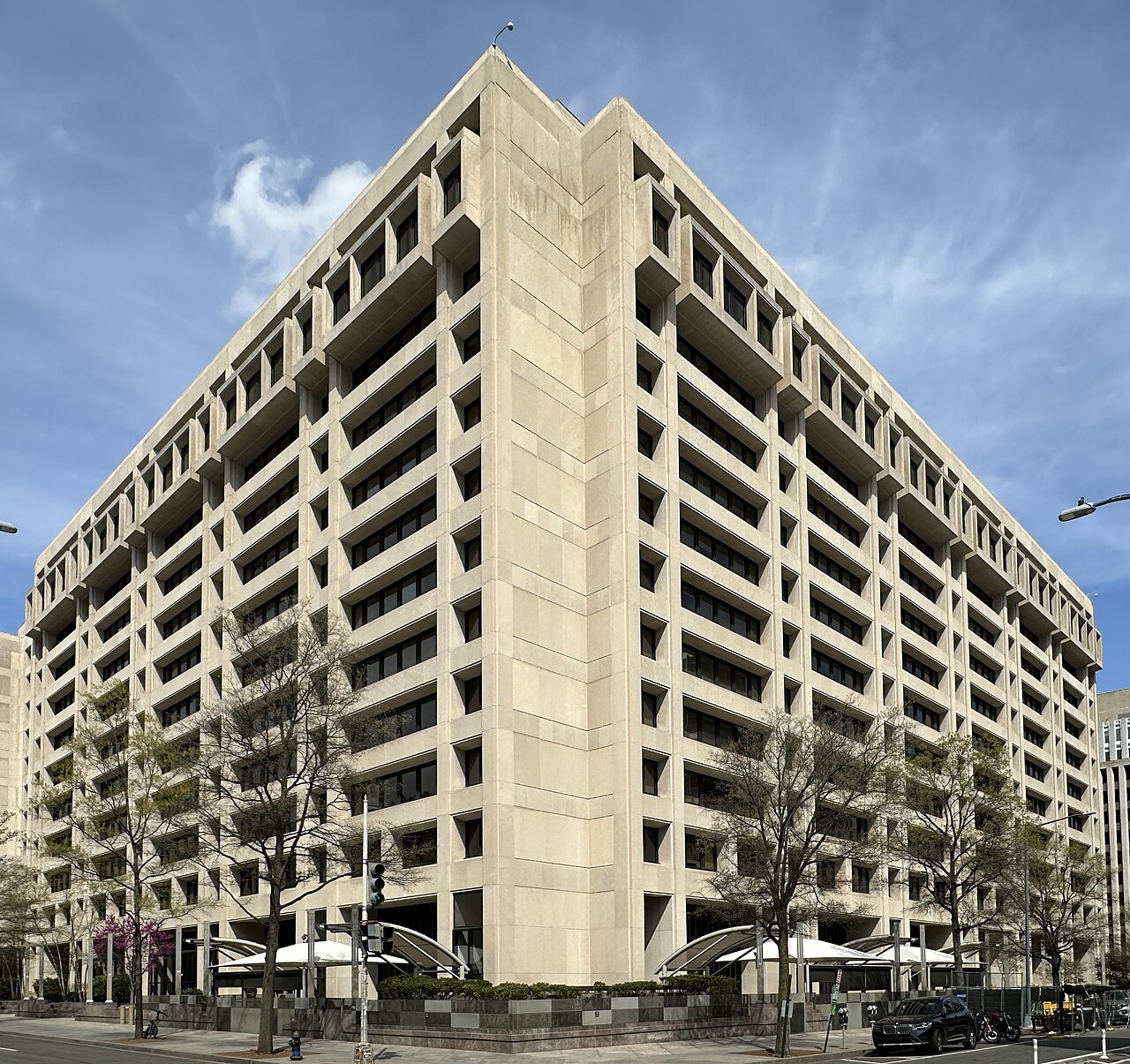
Growth is an aggregate, not a household experience. An economy can produce more while a renter faces higher bills or a small exporter loses an order. The useful question is which sectors are expanding, who receives the income, and whether the improvement can last. A headline growth rate cannot answer all three.
Read the forecast before reading the reaction
Start with its publication date and assumptions. Then distinguish a projected annual change from a quarterly result already measured. A downward revision does not automatically mean a recession; it may mean expansion is slower than previously expected. Compare like periods and check whether figures account for inflation.
For your next planning conversation
Separate committed expenses from decisions that can wait. A business can compare a base case with a slower-sales scenario without pretending to predict the economy. Households can make a calendar of known renewals and large bills. These are planning exercises, not a reason to make abrupt investment decisions.
IMF · July 2026 outlook ↗
The opening news summary is attributed to this source. The explanation and reader checklist are original editorial analysis. Developments after September 7 are not reflected here.